

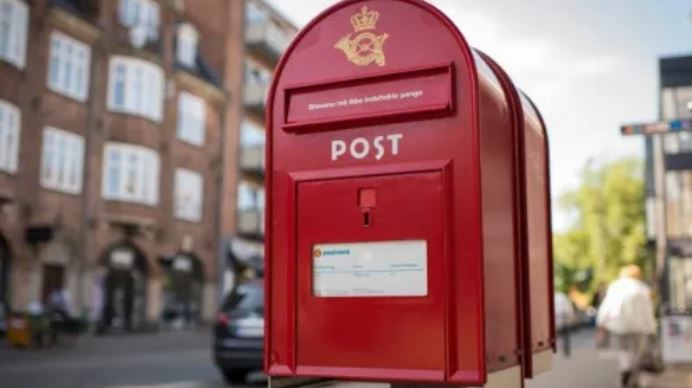
For many Danes, Thursday was a nostalgic day, reflecting on centuries of handwritten notes, official communications, and the simple ritual of posting a letter. It was the day Denmark’s postal service delivered its last letter, closing a 400-year chapter in the nation’s postal history.
Letter delivery, first introduced in 1624 during the reign of King Christian IV. For centuries, letters were the lifeblood of communication, connecting families, businesses, and government offices across the country.
The decision comes after a sharp decline in mail volumes, with PostNord reporting a 90% drop over the past 25 years as Danes increasingly turned to digital communication. Government notices, bills, and personal correspondence have largely moved online, reflecting Denmark’s status as one of the most digitally connected countries in the world. The company, jointly owned by Denmark and Sweden, also faced financial pressure, posting a €57 million deficit in 2024.
Yet the shift underscores the broader digital transformation and the practical realities of maintaining a nationwide mail network in an era where physical letters are increasingly rare.
The company will now focus exclusively on parcel delivery, a service used regularly by eight in ten Danes. The responsibility for the mail has shifted to private operator DAO, which will receive over €14 million in government subsidies to maintain nationwide delivery. However, letters will now need to be dropped off at company shops rather than traditional mailboxes, many of which were removed and auctioned over the summer.
PostNord framed the change as a new chapter rather than an ending. “It’s not just about stopping deliveries; it’s about evolving with the way people communicate,” it said in a statement posted on its website. “The right to send a letter is still protected by law, and citizens will continue to have access to mail services.”
Globally, postal systems are facing similar transitions. In Germany, Deutsche Post — now known largely for DHL logistics — has shifted focus from letters to parcels. The UK’s Royal Mail has been fully privatised and is increasingly emphasising parcel services, while other European countries, including Italy, Belgium, and Austria, have partially privatised or outsourced postal operations. Denmark appears to be the first country where the primary national postal service has entirely abandoned traditional letter delivery.


