
KATHMANDU: At a time when most messages are sent through phones and disappear with a tap, a group of students in Kathmandu has discovered that small pieces of paper can still carry big stories. Their introduction to the world of stamps marks the return of the Nepal Philatelic Society’s School Philately Awareness and Familiarisation Programme.
After several years of inactivity due to pandemic-related disruptions and shifting priorities, the programme resumed on Wednesday with its first session at Elite Grand School in Chhuchhepati. More than 150 students from Grades 7 to 10 were introduced to the world of philately.

For many students, stamps were a thing of the past. But during the programme, they learned that stamps are more than just items used for sending letters. The programme was coordinated by Society executive member Dr Rabindra Man Shrestha, with support from the majority of the Society’s executive members. The Society members also encouraged young people to learn through observation, research and curiosity.
“Stamps are small pieces of history that tell stories of a country’s culture, people and progress,” said Society President Chandra Rabi Shrestha.
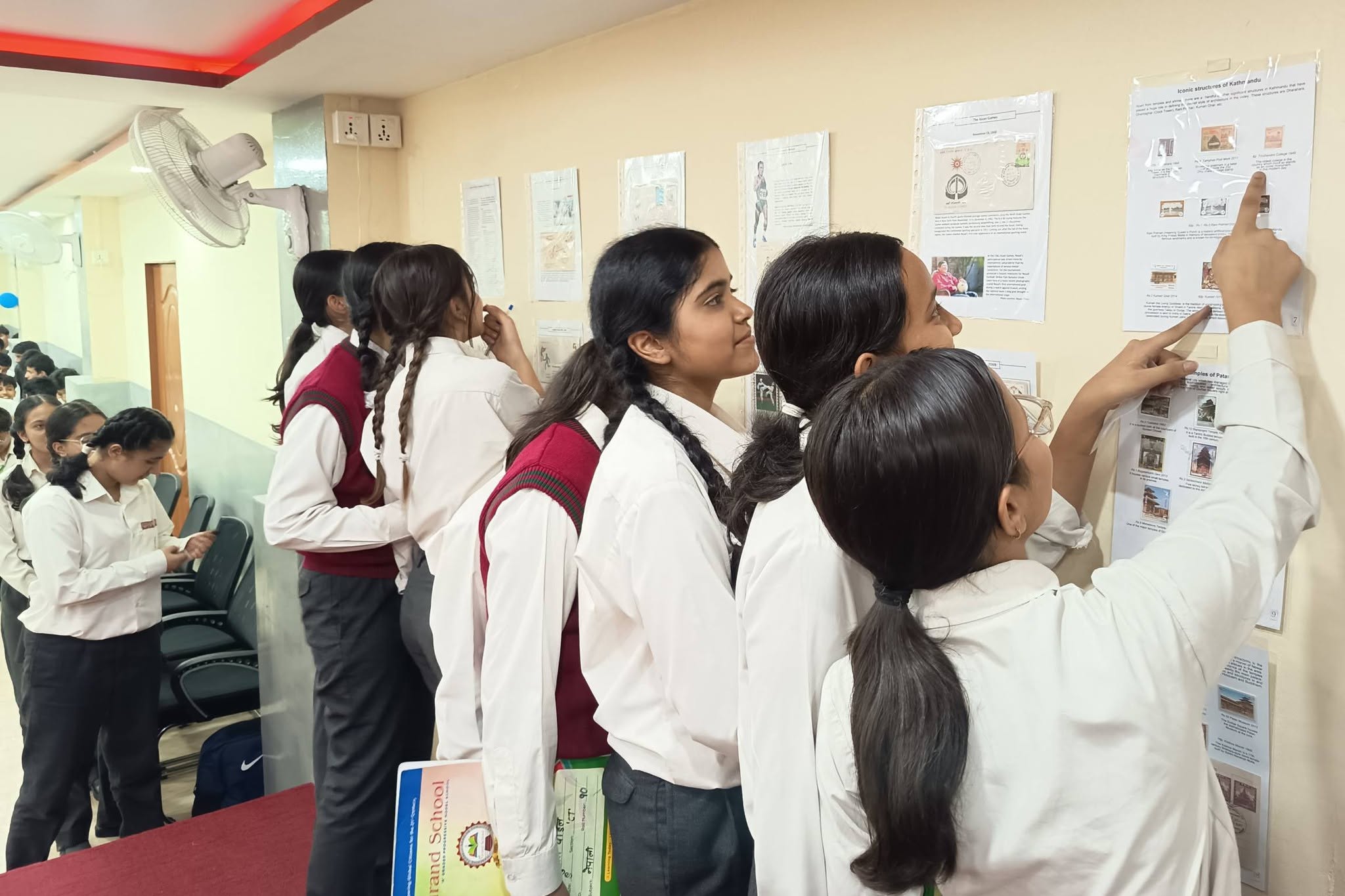
Society member Sauryendraman Shrestha explained during his presentation how stamps reflect Nepal’s history, culture and natural heritage. The school’s conference room became a small exhibition space as students looked closely at stamp designs and listened to the stories behind them.

Elite Grand School Principal Sukumar Thapaliya said activities like this help students learn beyond textbooks.
“We believe practical and experiential learning leaves a deeper impact than classroom instruction alone. These kinds of extracurricular activities allow students to learn through experiences that develop curiosity, critical thinking, and lifelong interests,” he said.
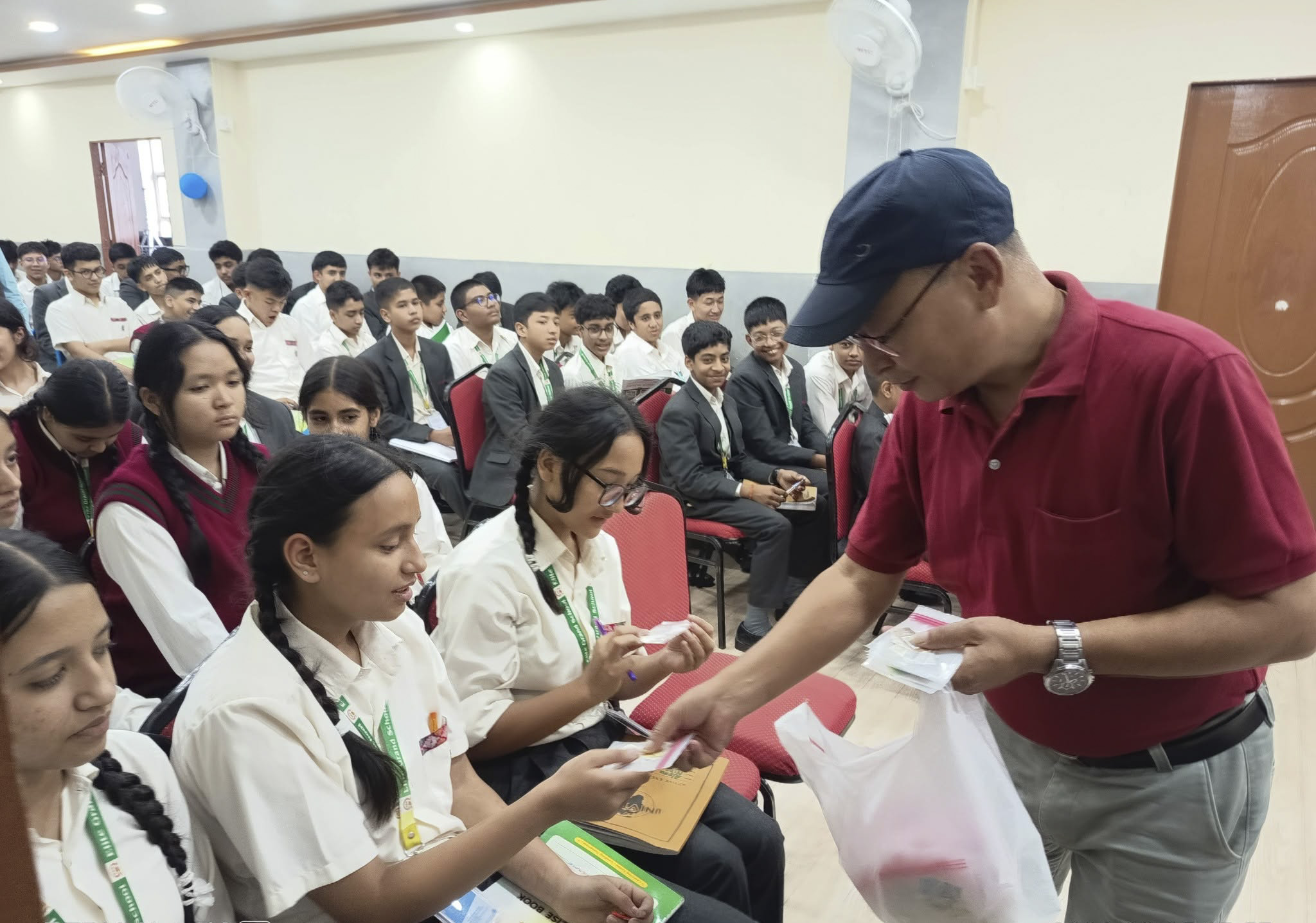
At the end of the session, Society members distributed stamp packets to participating students. Many students immediately began comparing the designs and asking questions about the people, places and symbols shown on the stamps.
Grade 7 student Kumud Singh was among those who became interested in collecting stamps.
“Before today, I thought stamps were just something people used before mobile phones. Now I see they are like tiny history books. Every stamp has a different story, and that made me want to collect them,” Singh said. She also asked Society members where she could find a stamp catalogue and learn more about starting a collection.

For the Society, sparking such curiosity is the primary goal of the school outreach programme. Its members hope that introducing students to philately will help preserve a hobby that bridges history, art and education. Encouraged by the response, the Society plans to expand the initiative to more schools in the future.
Whether these students become lifelong philatelists remains to be seen. But for one afternoon in Kathmandu, stamps that had spent years inside albums found new readers—and new stories to tell.


